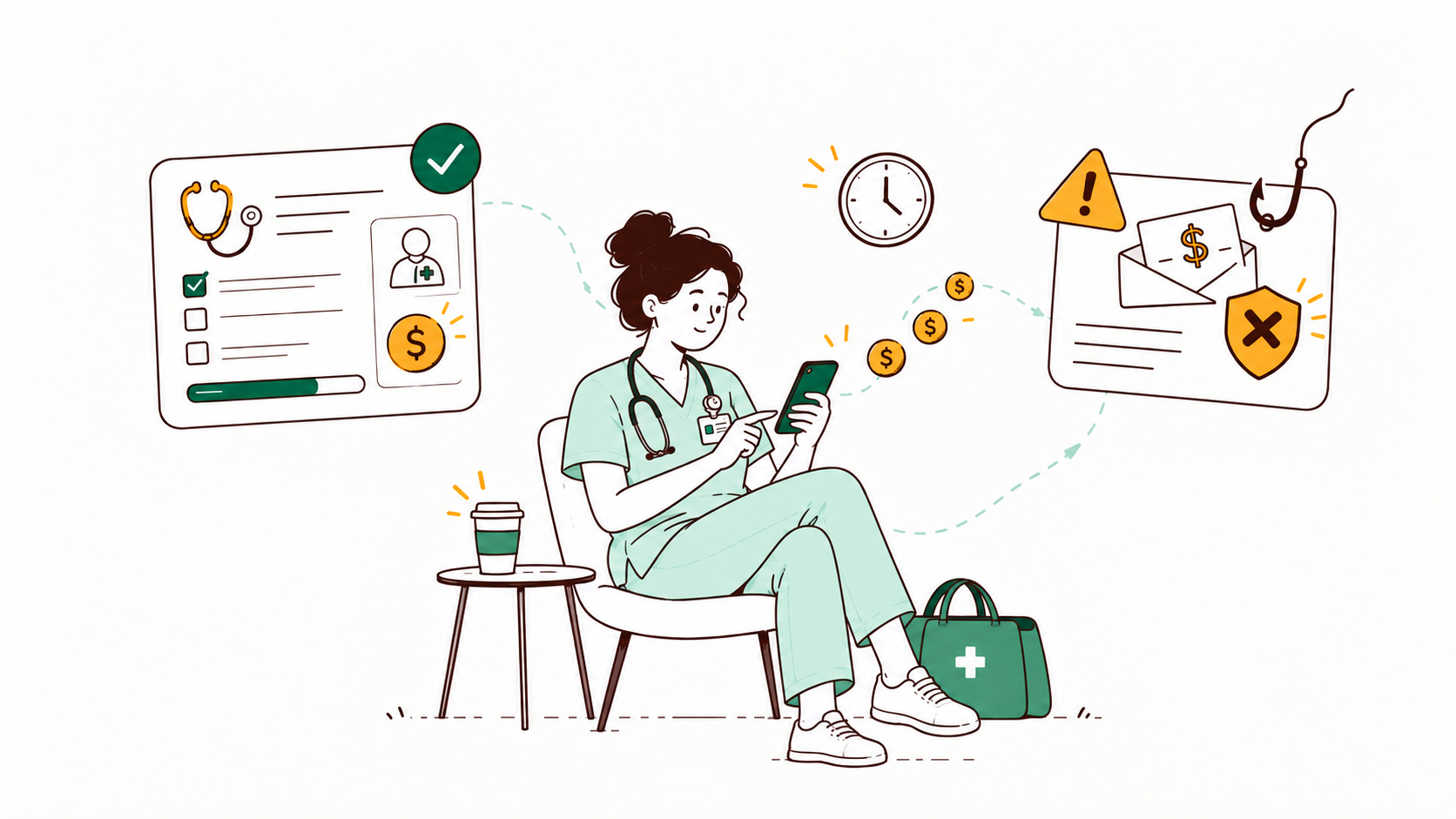
Nurses can earn real cash from paid surveys through two routes. General consumer panels like TopSurveys pay anyone for everyday opinions, while specialized medical panels pay nurses more for their clinical expertise.
Treat it as pocket money between shifts rather than a second salary, and stick to legitimate panels.
This guide covers what nurses realistically earn, which medical panels pay for clinical input, who qualifies, and how to spot a scam before you hand over a minute of your time.
Why paid surveys fit a nurse's schedule
Nursing rarely gives you a clean, predictable hour to yourself, so a side gig built around short bursts of downtime fits better than one with fixed hours. Surveys slot into the gaps a shift leaves behind.
The appetite is already there. About 66% of nurses have a side hustle. The study behind that figure found rising living costs driving the trend, with 71% pointing to inflation and 34% to student loan debt.
Surveys won't replace overtime pay, but they don't cost you a shift either.
A survey-first app like TopSurveys lets you answer a few questions in spare minutes and bank real cash, with no set schedule to keep. You pick up your phone when you have a moment and put it down when the moment ends.
Moments that work well:
- Before a shift starts, while you settle in.
- On a coffee or meal break.
- On breaks during a night shift, when little else is open.
- On the commute home, as a passenger rather than the driver.
How much can nurses realistically earn from surveys?
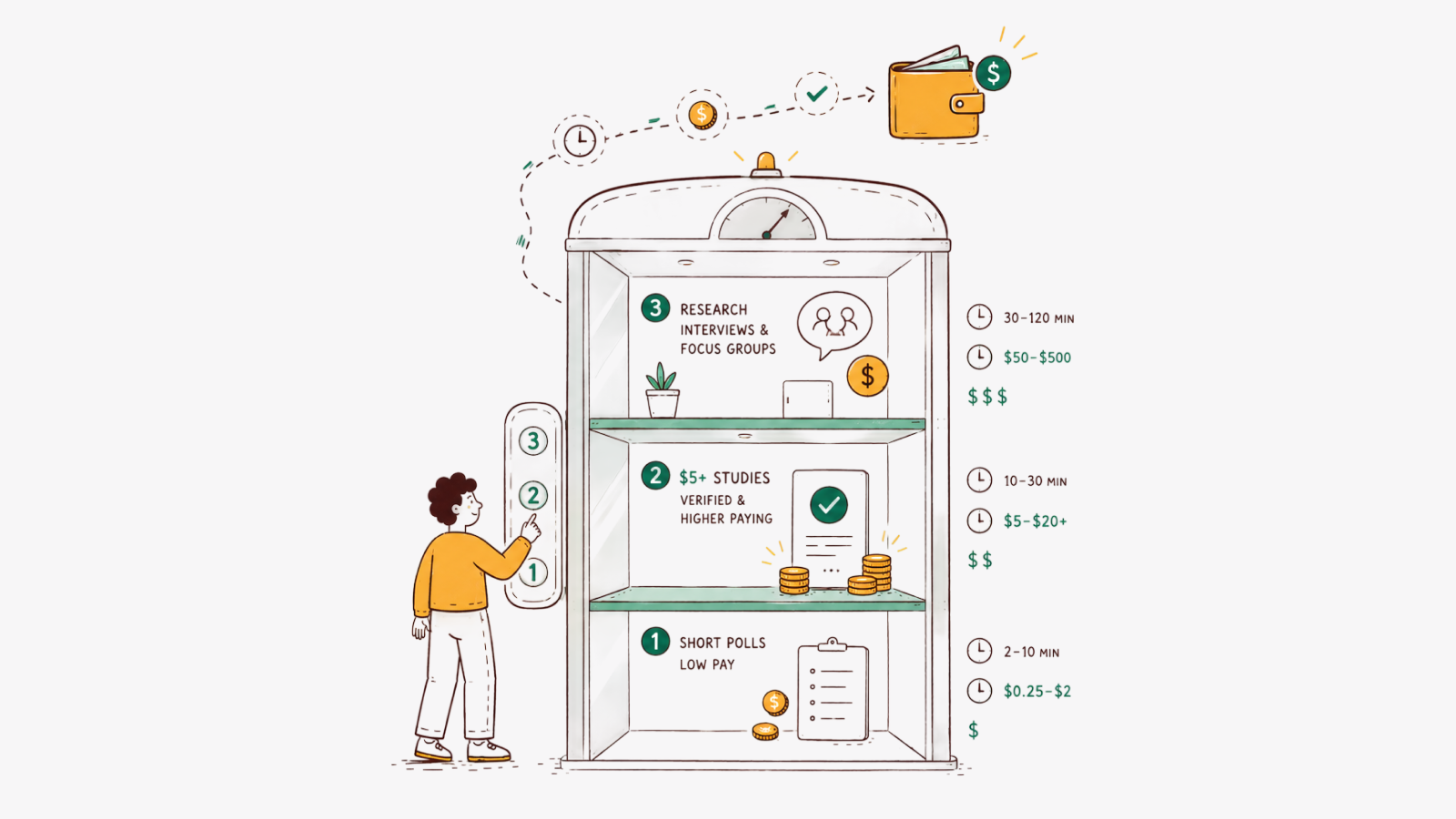
Consumer panels pay small, frequent amounts for everyday opinions, while medical panels pay more per study for clinical input. Which mix you can access decides your ceiling.
Every figure here is an estimate rather than a promise. Earnings vary by panel, by location, and by how many surveys you qualify for, and getting screened out partway through eats into your effective hourly rate.
No legitimate panel can guarantee an income.
Consumer survey panels
General consumer surveys typically pay $0.50 to $3 for 10 to 20 minutes of your time, and the surveys that pay $50 or more are rare. Taken casually, that adds up to an extra couple of hundred dollars a year rather than a meaningful monthly income.
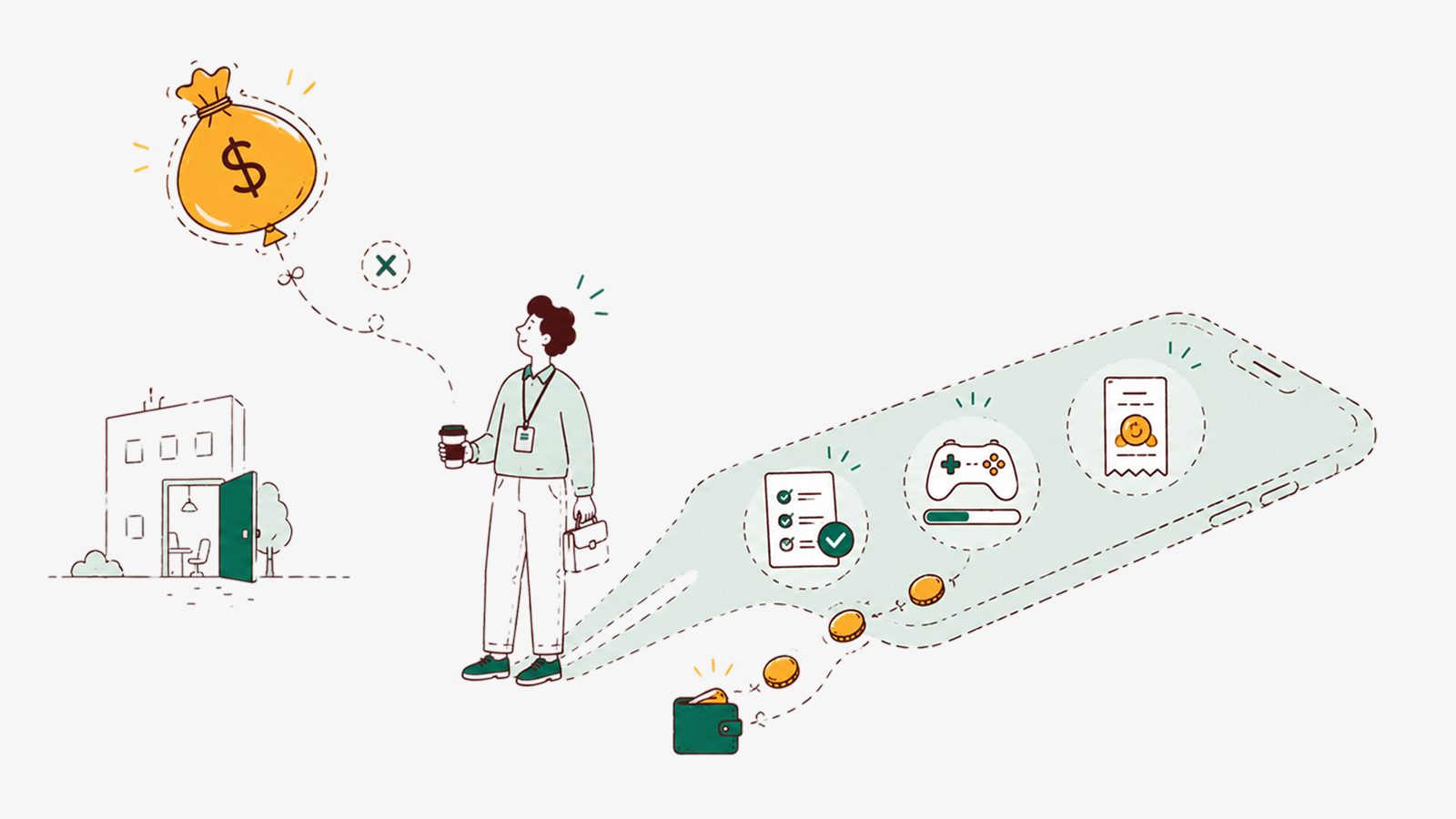
Set that against the median registered nurse wage of $93,600 reported by the U.S. Bureau of Labor Statistics for May 2024. Consumer surveys are pocket money you earn in dead time, never a replacement for nursing income.
The upside is that anyone can do them, no credentials required, and you cash out small amounts fast rather than waiting on a big payout.
Medical and healthcare-professional panels
Panels that pay nurses for clinical expertise sit in a different bracket, with single studies often worth more than a week of consumer surveys. Rates depend on the survey length and how specialized the topic is.
| Panel | Verified pay signals | Typical time |
|---|---|---|
| MedSurvey | $15 to $140 per survey | About 15 min |
| M3 Global Research | Framed as up to $60 to $300 per hour | 20 to 30 min |
| Sermo | Paid $25M+ in honoraria to members last year | Varies by study |
| InCrowd | Short micro-surveys, small payouts that stack | 5 to 10 min |
The higher numbers come from long one-on-one research interviews or hard-to-reach specialties, not the quick surveys most nurses see day to day.
Consumer panels vs medical survey panels
The core difference is who qualifies and what your answers are worth. Consumer panels want your opinion as a shopper. Medical panels pay for what you know as a working clinician.
General consumer panels accept almost anyone and pay small, frequent rewards for opinions on products, ads, and daily habits. Medical panels verify your credentials and pay honoraria for clinical insight that pharmaceutical and market-research clients need.
| Consumer panels | Medical panels | |
|---|---|---|
| Who qualifies | Anyone, no credentials | Verified nurses and clinicians |
| Typical pay | $0.50 to $3 per survey | Higher per study, up to $140+ |
| Best for | Quick cash in spare minutes | Higher pay for clinical expertise |
| Volume | Frequent, always available | Fewer invitations, credential-gated |
Most nurses use both. Consumer panels fill the gaps between the rarer, better-paid medical surveys, keeping your account from sitting idle while you wait for a clinical study to land.
Best paid medical survey panels for nurses
These five panels pay healthcare professionals for clinical input and verify who you are before sending studies.
Sermo
Sermo is one of the largest healthcare panels, with over 1.5 million verified members, and says it paid over $25 million in honoraria to members last year. Studies cover topics from bedside care to medication administration.
Members cash out by direct bank transfer or gift cards, and earnings depend on how many studies your profile qualifies for.
MedSurvey
MedSurvey studies run about 15 minutes and pay $15 to $140 depending on complexity, and its community recruits nursing professionals alongside other healthcare roles. It's a solid credentialed panel to pair with a larger network like Sermo.
M3 Global Research
M3 Global Research runs surveys of roughly 20 to 30 minutes and frames pay as up to $60 to $300 per hour of survey time, per the same roundup.
That hourly framing looks high, which is why you should judge each study by its stated payout and length rather than the headline rate.
InCrowd
InCrowd specializes in short "MicroSurveys" built to finish in five to ten minutes on your phone. Nurses, nurse practitioners, and physician assistants are all eligible.
The appeal is speed. A micro-survey fits a single break, with small payouts that add up if you answer them consistently.
MDForLives
MDForLives is a healthcare-professional panel with a dedicated focus on nurses and NPs, paying rewards that vary with how many surveys you complete. Individual surveys are short enough to fit between other commitments, with most questionnaires taking 10 to 20 minutes.
Studies cover patient care, medication safety, workflow, hospital routines, and new medical devices, across both registered nurse and nurse practitioner roles.
Who qualifies: RNs, NPs, LPNs, and CNAs
Clinical panels pay the most to credentialed prescribers and in-demand specialties, but everyone can use consumer panels regardless of role. Your credentials decide which medical studies you see and what they pay.
Nurse practitioners
Nurse practitioners command the highest clinical rates because their prescribing authority and specialty knowledge are exactly what pharmaceutical and market-research clients pay for. Prescriber-level studies are the ones that reach the top of the pay ranges.
NPs also have a dedicated route through the American Association of Nurse Practitioners, whose NPInfluence panel rewards members with gift cards for completing online surveys. Beyond that, NPs qualify for the same panels RNs use, including InCrowd, giving you several panels to stack.
If you hold prescribing credentials, complete every profile question about your specialty and practice setting.
RNs, LPNs, CNAs, and allied staff
Registered nurses qualify for most clinical panels such as Sermo and MedSurvey, seeing a steady flow of studies aimed at bedside and specialty experience. Physician assistants sit in a similar bracket to RNs and NPs on panels like InCrowd.
Licensed practical nurses, certified nursing assistants, and aides may not clear the credential gates on high-value clinical panels, which are built around licensed and prescribing roles. That doesn't lock you out of earning.
A consumer panel like TopSurveys pays anyone for everyday opinions and lets you cash out from $5, which keeps your credential from ever being the barrier to getting started. It's the fallback that works for every role in the building.
Are paid medical surveys legit, and how do you spot a scam?
Legitimate medical survey panels exist, and they are funded by pharmaceutical and market-research budgets rather than fees from you. A real panel never asks you to pay to join or hand over sensitive financial details to "verify" you.
The reason to stay alert is that survey and job scams are booming. The Federal Trade Commission reported that consumer fraud losses jumped to $12.5 billion in 2024, with business and job-opportunity scams accounting for $750.6 million of that.
Why real panels are legitimate
Real medical panels earn revenue from clients who need clinical opinions, then pass a share to you as an honorarium. Payment reaches you through secure channels such as PayPal, bank transfer, or gift cards, from a panel that stays upfront about its company, privacy policy, and payout terms.
Security researchers at Kaspersky note that legitimate survey sites never need your Social Security number, bank details, or card numbers, and never charge a fee. If money or personal data is flowing away from you to start earning, it's not a real panel.
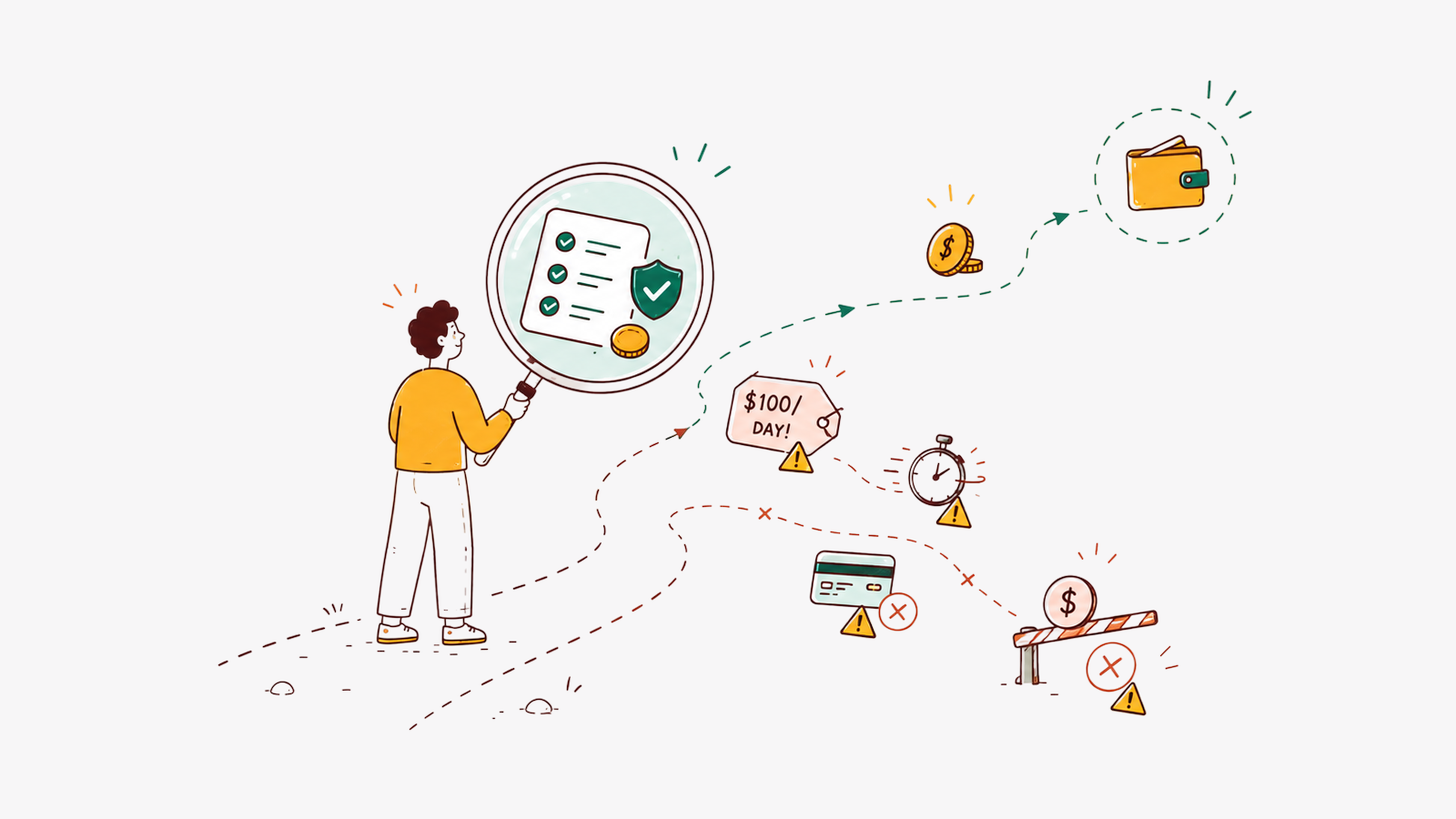
Red flags of a survey scam
Scam operators lean on urgency and too-good rewards to rush you past your judgment. Task-based "gamified" job scams alone climbed to about 20,000 reports in the first half of 2024, and many start with an unsolicited text or message about easy online work.
Walk away when you see any of these signals:
- An upfront fee, deposit, or "processing" charge to release your earnings.
- Requests for your Social Security number, bank login, or card details to "verify" you.
- Rewards wildly out of line with the work, like $100 for three quick questions.
- Survey invitations that arrive out of nowhere by text or direct message.
- Web addresses that are misspelled or brand new, or sit on odd, unofficial domains.
- Pressure to act fast, or a required software download before you can start.
- No visible about page, contact details, or privacy policy.
When something feels off, close the tab. A real panel will still be there tomorrow, and no honest survey ever asks for your bank login to begin with.
How to start earning with TopSurveys and cash out
Getting started takes a few minutes, and the first cash-out bar is low.
- Create a free TopSurveys account. It's free to join, and you never pay to participate.
- Complete your profile honestly. Accurate answers about your work and household route better-matched surveys to you.
- Take surveys in your downtime. Use the filters for best match, short surveys, or highest payout to fit the time you have.
- Cash out once you reach the $5 minimum, with withdrawals to PayPal processed instantly.
Even when a survey screens you out partway through, you still get a small screenout reward for your time rather than nothing.

Turn time between shifts into cash
Paid surveys are a legitimate way for nurses to turn dead time into real cash, as long as you keep expectations honest and avoid the scams. Consumer panels pay small amounts to anyone, while credentialed medical panels pay more for your clinical expertise.
Start with one panel that matches your role, complete your profile properly, and only cash out from panels that pay through secure channels and never ask you to pay in. When you have a spare minute on your next break, the sign-up steps above walk you through it.